
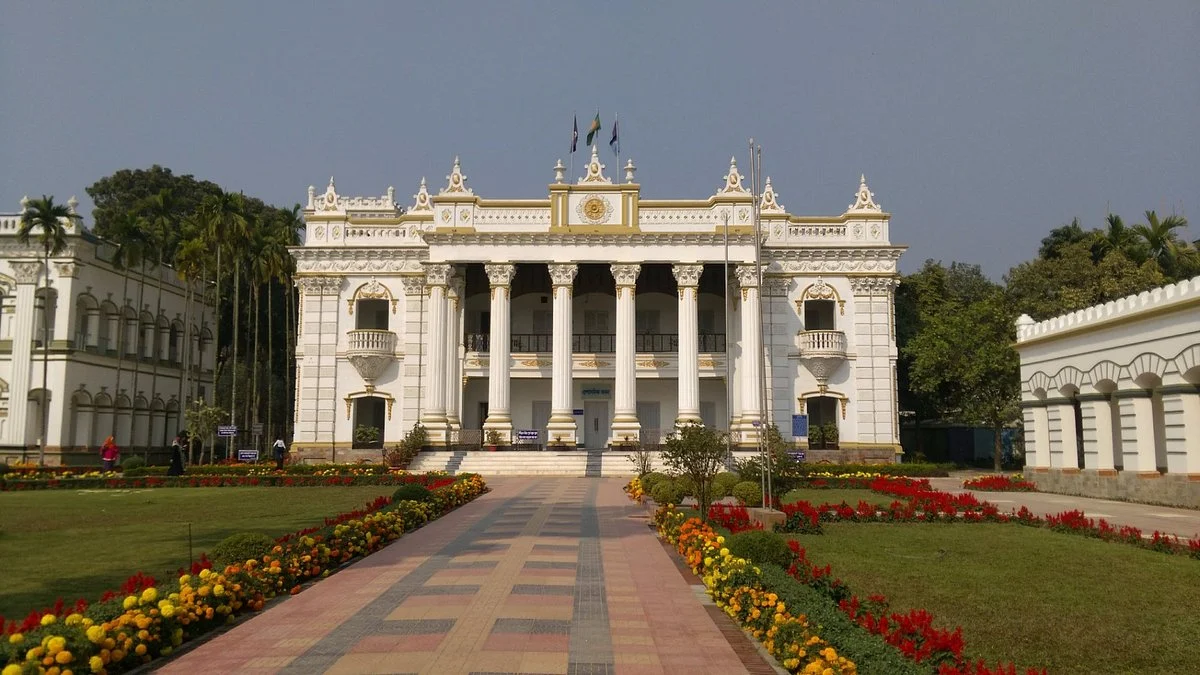
History of Tangail
The Tangail of today through the threads of its past; from its heritage to the road ahead.
From the mosque at Atia to the field at Kagmari, every piece of Tangail’s soil carries a story of struggle and creation.
History of Tangail at a glance
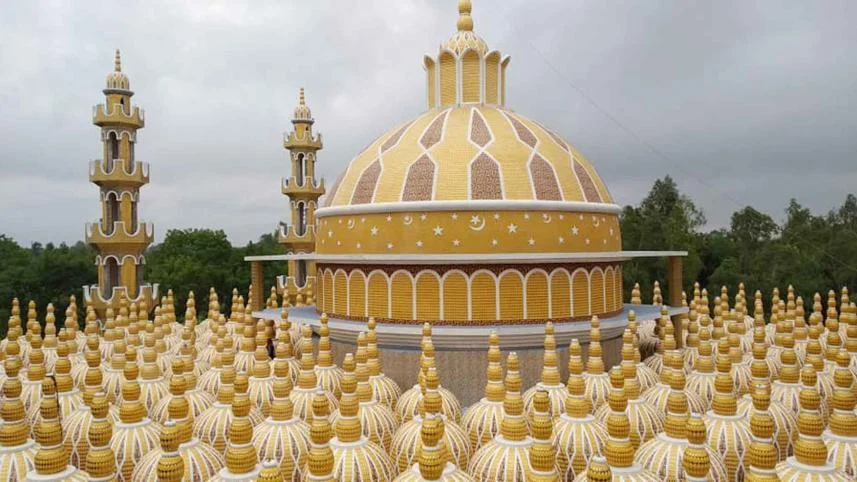
Tangail’s history reaches back many centuries. The Jamuna, the sal forests of Madhupur and the fertile plains have shaped the lives, work and culture of its people. The mosque that Sayeed Khan Panni built at Atia early in the seventeenth century, in the reign of the Mughal emperor Jahangir, still stands as a witness to that past. In the zamindari era, families such as those of Delduar, Karatia, Santosh and Dhanbari left their mark on education and public life. Tangail became a subdivision in 1870 and a district on 1 December 1969. In 1957 the Kagmari Conference, called by Maulana Abdul Hamid Khan Bhashani, gave strength to East Bengal’s demand for autonomy. In the Liberation War of 1971, the resistance of the district’s freedom fighters, among them the Kaderia Bahini, gave Tangail a special place in the nation’s history. This page sets out that long journey, its events and its people, age by age.
Tangail through time
-
Ancient Mediveal
An examination of history and heritage reveals that, some five to five-and-a-half thousand years ago, the Tangail district…
-
Mughal
Between 1301 and 1322 AD, Sultan Shamsuddin Firuz Shah Dehlavi, the ruler of Gaur, initiated Muslim rule in…
-
British
In 1866, the government established the Tanail (later renamed Tangail) police station in the Pardighulia *mauza*. As the…
-
Bangladesh
The residents of Tangail demanded that Tangail be declared a separate district, and the United Front incorporated this…
Tell us what you know about the history of Tangail
Your information, your photographs, your memories: everything sent is checked before it is published.