
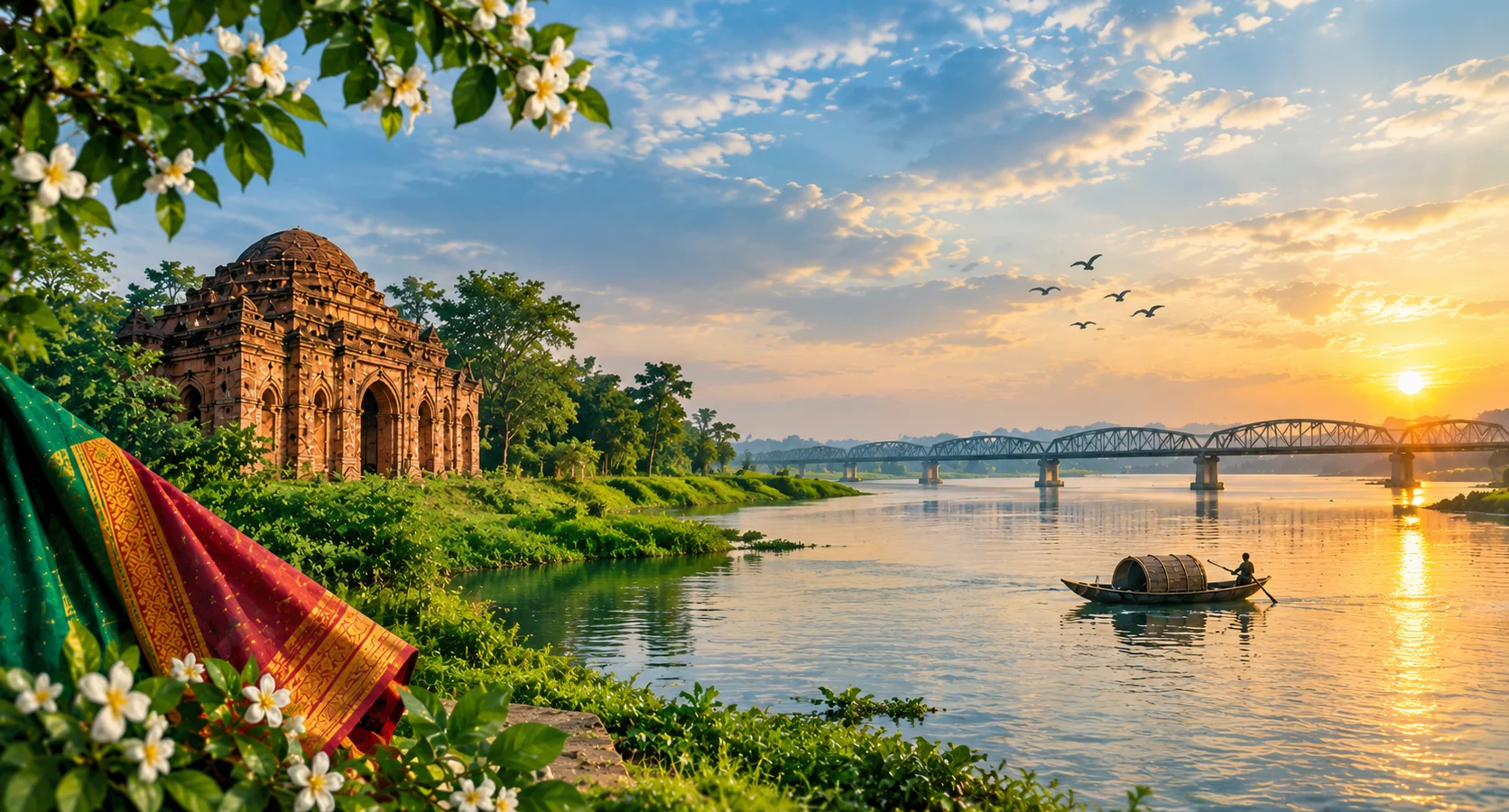
Amar Tangail
A digital destination for history, people, heritage and the present.
Explore Tangail Learn the history
Tangail — one district, countless stories
Tangail is a distinctive land of history, people, nature and heritage. From its rivers, forests and historic places to its handloom tradition and famous Tangail saree, the district carries a rich cultural identity of its own. Explore, discover and preserve the story of Tangail—from its past to its present—with Amar Tangail.
Published on this site so far:
Upazilas
12
Look back through time
- Ancient Mediveal An examination of history and heritage reveals that, some five to five-and-a-half thousand years ago, the Tangail district was part of 'Bhatir Muluk'—a region belonging to the Kingdom of Kamarupa, or Pragjyotishpura.
- Mughal Between 1301 and 1322 AD, Sultan Shamsuddin Firuz Shah Dehlavi, the ruler of Gaur, initiated Muslim rule in this region.
- British In 1866, the government established the Tanail (later renamed Tangail) police station in the Pardighulia *mauza*. As the Muslim Zamindar of Karatia was consistently hostile towards the British, no site for a new police station or outpost was designated within the Atia *pargana*.
- Bangladesh The residents of Tangail demanded that Tangail be declared a separate district, and the United Front incorporated this into its election manifesto.
12 upazilas of Tangail
Discover the history, people, places and life of each upazila.
Map source
Outlines as of 2020: Bangladesh Bureau of Statistics (BBS), OCHA; geoBoundaries, CC BY 3.0 IGO, simplified. They show where places lie; they are not surveyed boundaries, and later changes are not in them.
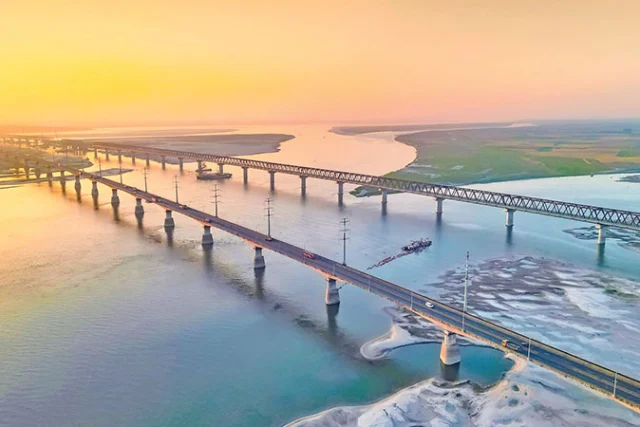
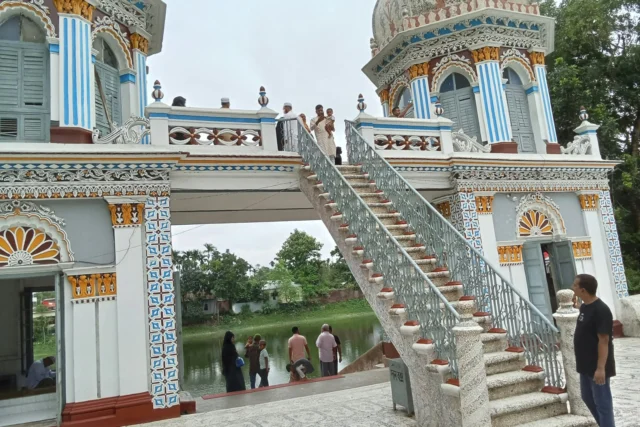
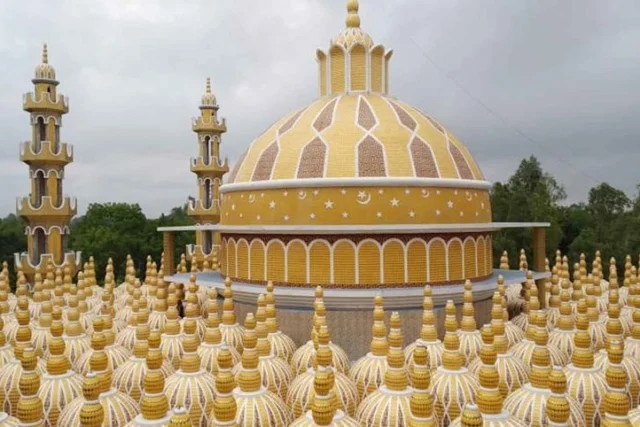


Rivers and wetlands
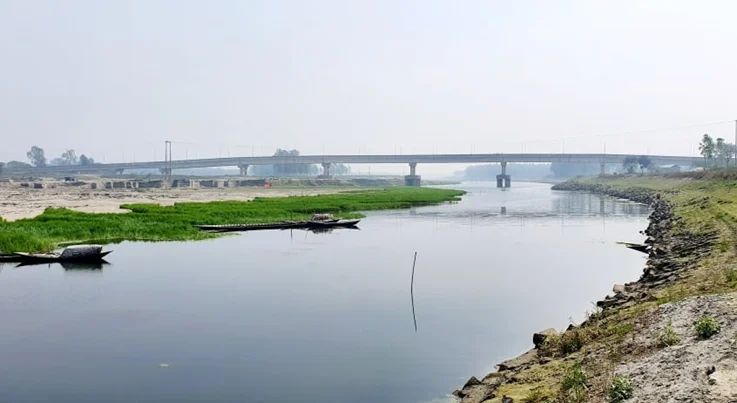
A river is not only geography; it is part of Tangail's history and life.